When we are worn out, most of us try to add something: an app, a supplement, a new routine, a watch that tracks our sleep. Yet much of what wears us down is exactly what we already have too much of: light late at night, screens, noise, and demands that never pause.
At Noord we start from a different idea: recovery by subtraction. We take things away instead of adding more. Here is what the research says about it, and where it stops.
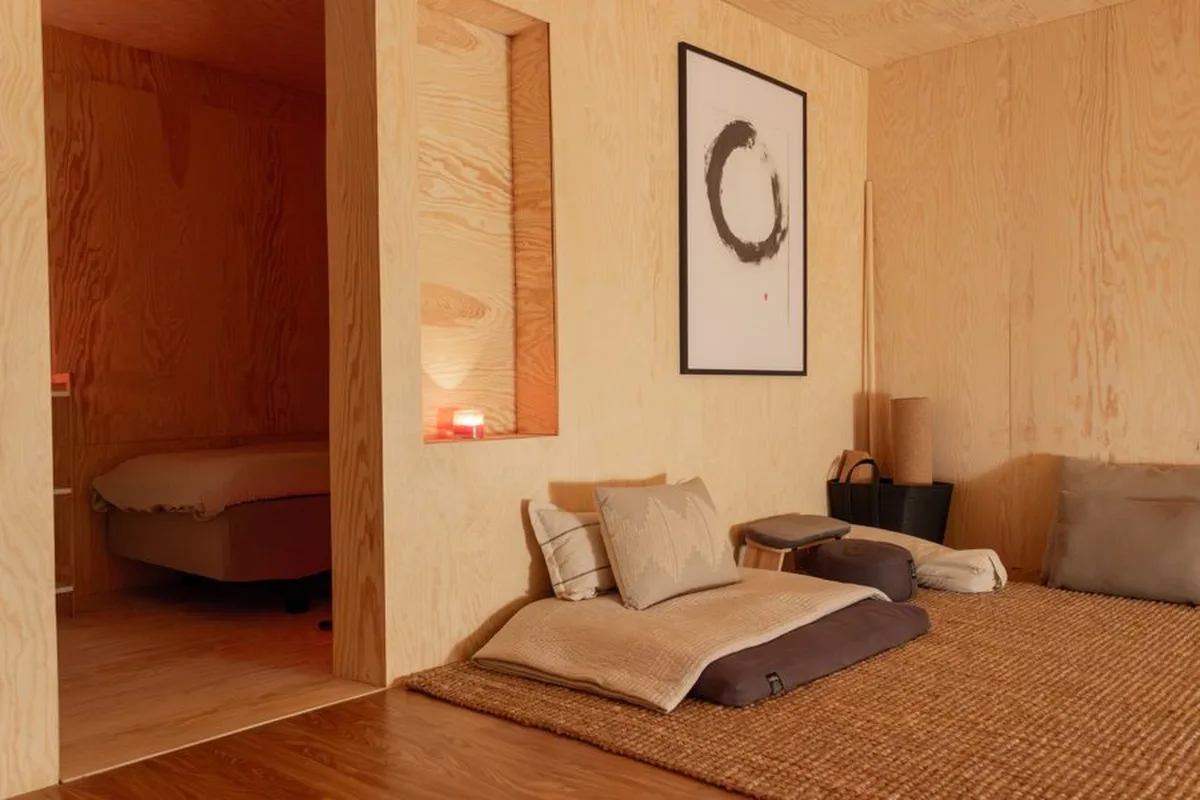
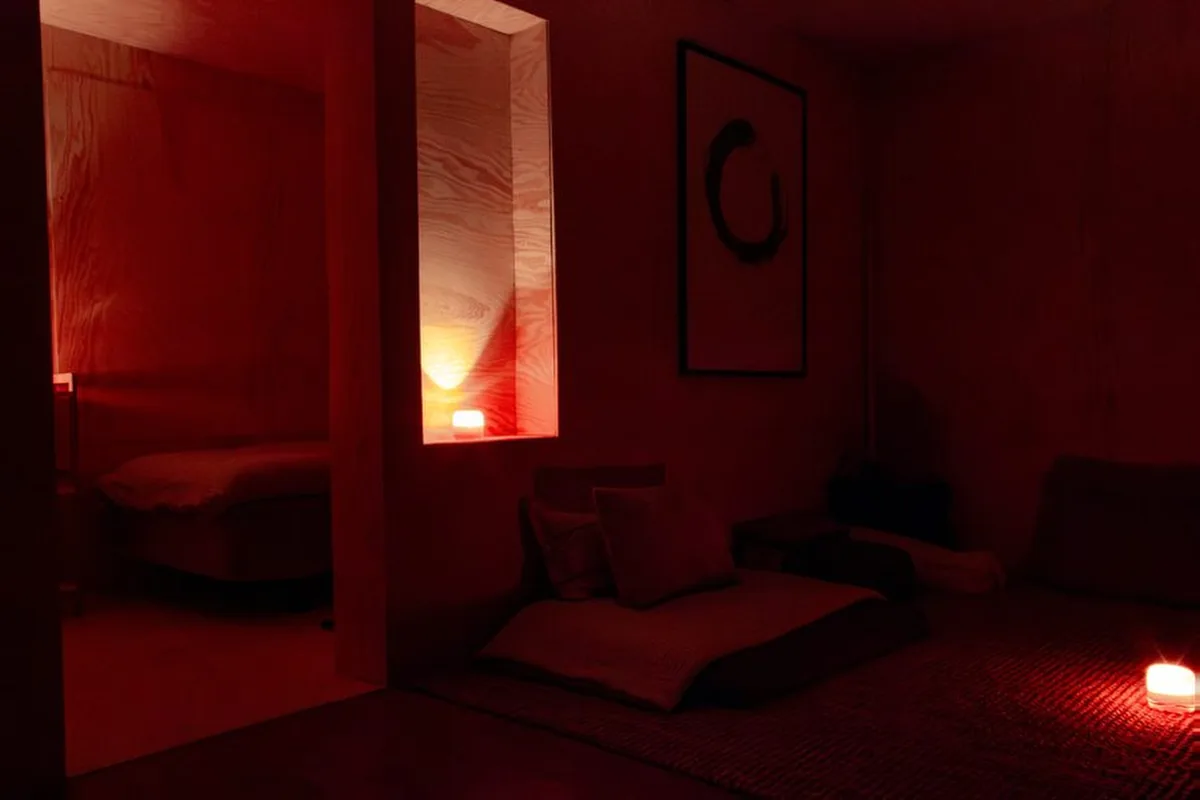
1. Evening light matters more than we think
In a study of 116 healthy adults, researchers compared ordinary room light (under 200 lux) with dim light in the hours before bedtime. Room light delayed the onset of melatonin, the body’s darkness signal, in 99 percent of participants and shortened the melatonin period by about 90 minutes (Gooley et al. 2011).
How much light affects us depends on its composition. What matters most is light that reaches the melanopsin-sensitive cells of the eye, and sensitivity varies a lot from person to person (Santhi et al. 2012).
For sleep itself the picture is less clear-cut. A review of laboratory studies found the clearest link when light was measured as a melanopic dose: the more of that light in the evening, the longer it took to fall asleep and the lower the sleep efficiency (Cajochen et al. 2022). Dimming the evening light is biologically sensible, but it is no guarantee of better sleep for everyone.
2. The contrast between day and night
In a widely cited study, participants spent a weekend outdoors with only natural light. That was enough to shift their body clock earlier, by about 69 percent of the shift a full week of natural light had produced in earlier work (Stothard et al. 2017).
The point is not that we need darkness all the time. It is the contrast that sets the clock: light by day, darkness by night. Modern life has blurred that contrast. The researchers also note that the effect only lasts if a regular rhythm is kept afterwards.
3. Fewer stimuli: what the flotation studies show
In a Swedish pilot study from Karlstad University, 50 people with self-reported generalised anxiety either received twelve sessions of flotation (resting in a float tank with minimal light and sound) or waited. Anxiety symptoms fell in the flotation group, and 37 percent were symptom-free after treatment (Jonsson & Kjellgren 2016). The study was small and not blinded, so the result is promising but preliminary. A later American study confirmed that flotation was safe and well tolerated, but stressed that larger trials are needed to show an effect (Garland et al. 2024).
A third study makes the picture more interesting. When flotation was compared with quiet rest in an armchair, there were no differences between the two in perceived anxiety or muscle tension (Gustafsson et al. 2018).
We think that is an important finding. It could mean that quiet rest itself is what matters, rather than a special technique, but the study cannot tell. That is the idea we build on: the absence of stimuli, demands and performance.
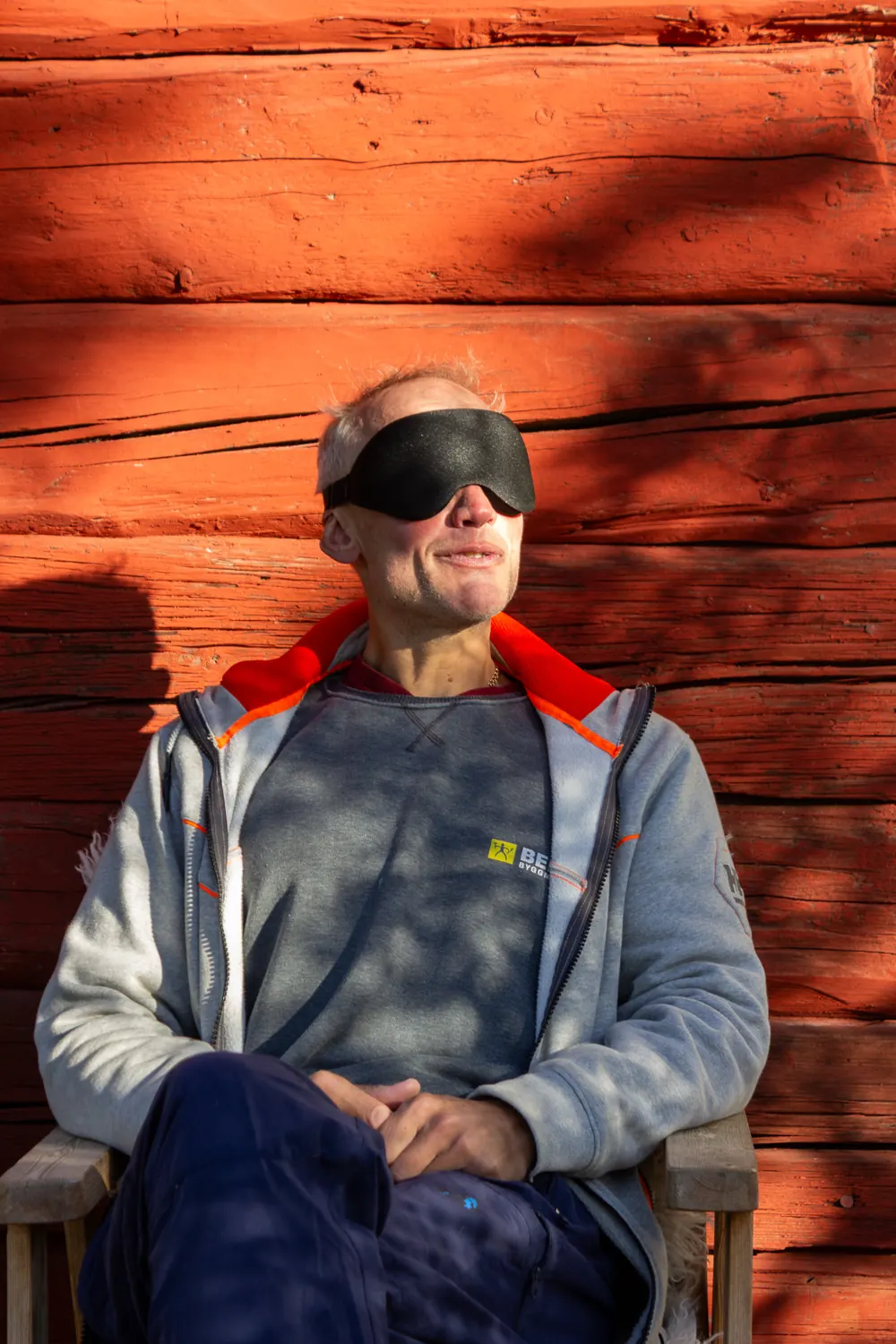
“I was so grateful I wanted to cry. Life is fantastic, but I keep running away from it. The retreat was a handbrake.”
Andrzej, self-employed, after his second stay (translated from Swedish)
4. Nature and screens
After two days in the forest, 29 people with perceived stress had lower cortisol and higher heart-rate variability, a sign that the body had shifted down a gear (Queirolo et al. 2024). The study had no control group, so we cannot be sure it was the forest that made the difference.
Screens are easier to study precisely. When 164 adults in Denmark limited their leisure screen time to under three hours a week for two weeks, their well-being and mood improved compared with the control group, but their stress hormones did not change (Pedersen et al. 2022). In an Austrian study of 111 students, a maximum of two hours of phone use a day for three weeks led to small to medium improvements in stress, sleep, well-being and low mood. Afterwards, screen time rose quickly again (Pieh et al. 2025).
5. Where the research stops
We want to be honest about the limits.
- Darkness as a treatment has only been studied in a very specific setting: a small pilot study in which patients with acute mania spent 14 hours in darkness each night for three nights, on top of usual hospital care (Barbini et al. 2005). It tells us nothing about healthy people, so we do not claim that darkness cures anything.
- The biggest gap is whether the effects last once you get home. The screen study shows how quickly old habits return.
6. How this shapes Noord
- We take away instead of adding. Light, sound, screens and demands. No programme to perform in.
- We build around rhythm, not just darkness. The darkness has a beginning and an end, and the contrast is part of the point.
- We look after the way home. That is why Noord Recovery Program exists: preparation before and integration after, so that what happens in the dark comes with you into everyday life.
- We follow the research and measure ourselves. We ask our guests what changes, and we share what we learn here.
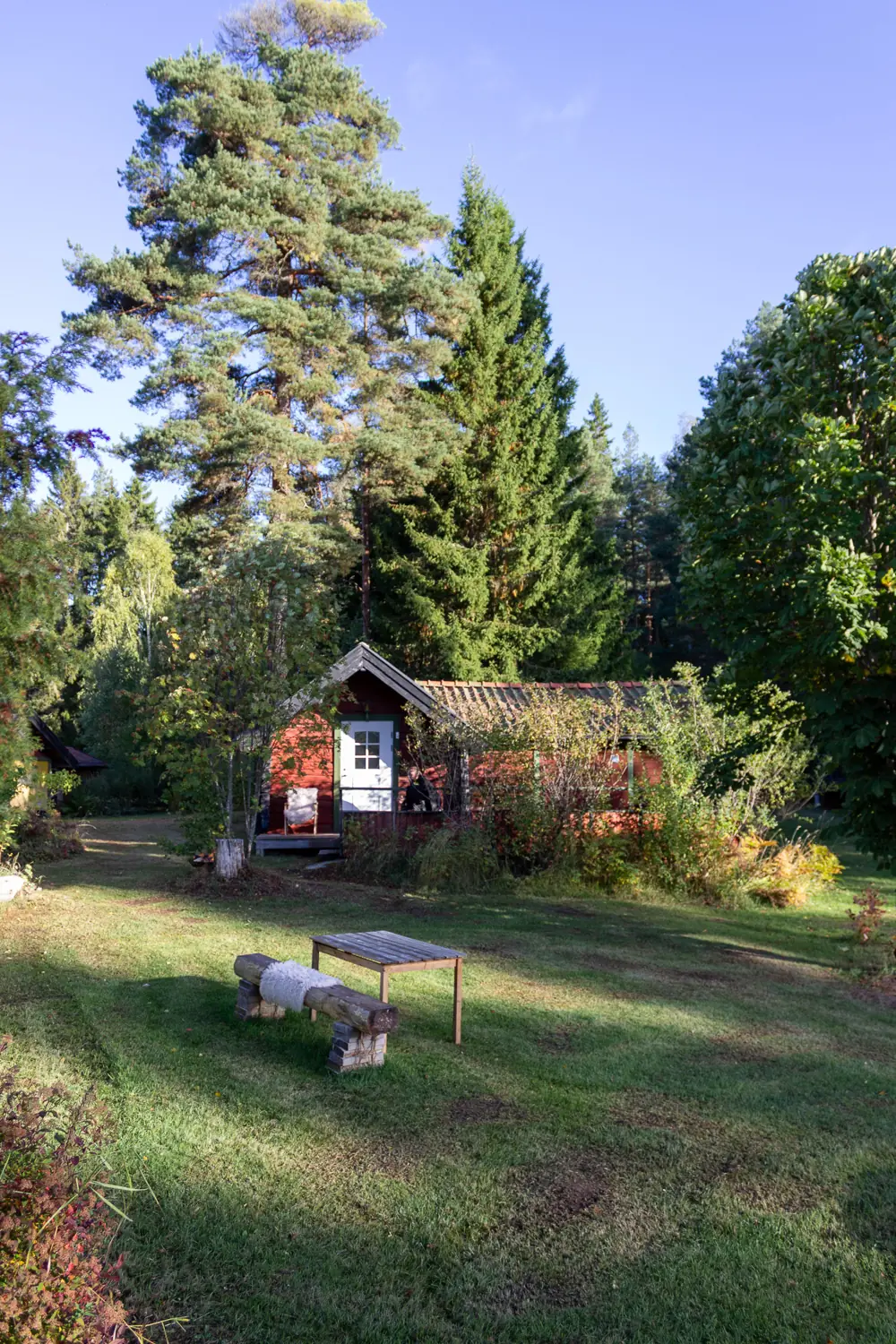
In practice, that is our darkness retreat in Åsby, near Norberg: each guest has their own cabin, and the darkness has a clear beginning and end.
Want to feel what subtraction is like?
Try it before you book anything. Start with Noord’s free day: one day with the pause at its centre, about twenty minutes on your phone.
This text is general information and is not a substitute for care. If you have severe stress, anxiety or are in ongoing treatment, talk to a healthcare professional before trying a darkness stay.
Sources
- Gooley JJ et al. (2011). Exposure to room light before bedtime suppresses melatonin onset and shortens melatonin duration in humans. J Clin Endocrinol Metab 96(3):E463–72. academic.oup.com/jcem/article/96/3/E463/2833657
- Santhi N et al. (2012). The spectral composition of evening light and individual differences in the suppression of melatonin and delay of sleep in humans. J Pineal Res 53(1):47–59. doi.org/10.1111/j.1600-079X.2011.00970.x
- Cajochen C et al. (2022). Influence of evening light exposure on polysomnographically assessed night-time sleep: a systematic review with meta-analysis. Lighting Research & Technology 54(6):609–625. doi.org/10.1177/14771535221078765
- Jonsson K, Kjellgren A (2016). Promising effects of treatment with flotation-REST as an intervention for generalized anxiety disorder: a randomized controlled pilot trial. BMC Complement Altern Med 16:108. pubmed.ncbi.nlm.nih.gov/27016217/
- Garland et al. (2024). A randomized controlled safety and feasibility trial of floatation-REST in anxious and depressed individuals. PLoS ONE 19(6):e0286899. pubmed.ncbi.nlm.nih.gov/38843272/
- Gustafsson H, Davis PA, Börjesson M, Lundqvist C (2018). Flotation REST as a stress reduction method: the effects on anxiety, muscle tension, and performance. J Clin Sport Psychol. doi.org/10.1123/jcsp.2017-0032
- Barbini B et al. (2005). Dark therapy for mania: a pilot study. Bipolar Disord 7(1):98–101. pubmed.ncbi.nlm.nih.gov/15654938/
- Stothard ER et al. (2017). Circadian entrainment to the natural light-dark cycle across seasons and the weekend. Curr Biol 27(4):508–513. doi.org/10.1016/j.cub.2016.12.041
- Queirolo L et al. (2024). Effects of forest bathing (Shinrin-yoku) in stressed people. Front Psychol 15. doi.org/10.3389/fpsyg.2024.1458418
- Pedersen J et al. (2022). Effects of limiting digital screen use on well-being, mood, and biomarkers of stress in adults. npj Ment Health Res 1:14. doi.org/10.1038/s44184-022-00015-6
- Pieh C et al. (2025). Smartphone screen time reduction improves mental health: a randomized controlled trial. BMC Med 23:107. doi.org/10.1186/s12916-025-03944-z