Much of our tiredness comes from something we rarely count: all the sensory input we keep filtering out. Josefin Godén of Bakom Luckorna has written about it, and we wrote part of it together.
We often talk about recovery as something we do once we are tired. But much of the tiredness comes from things we rarely notice: sound, light, movement, screens and the people around us. The brain keeps filtering it out, and that has a cost.
A coffee that takes more than it gives
Josefin Godén runs Bakom Luckorna, which helps adults with ADHD shape an everyday life with less friction. In the article “När världen tar mer energi än den ger” (When the world takes more energy than it gives), she writes from her own life with a neurodevelopmental condition about how an ordinary coffee with a friend can become work. The coffee machine, the conversation at the next table, the music and the light all have to be handled while she tries to listen.
What she describes is clearest with ADHD and similar conditions, but the idea reaches further. Anyone who is stressed or has slept badly also has less room for sensory input.
The same idea Noord is built on
We do not think rest is about adding more. It is about taking away what disturbs. The less input, the more energy is left for what you actually want to do, and for noticing how you yourself feel.
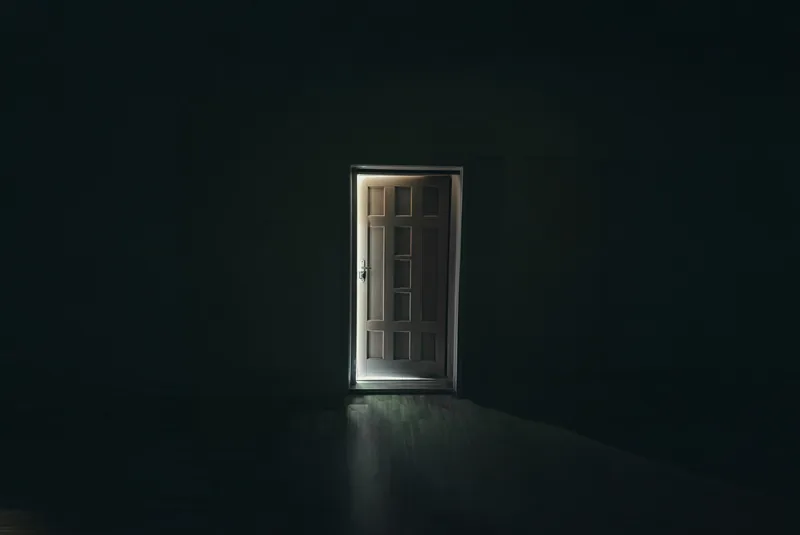
In the article I wrote the section on what happens in the dark, when almost all visual input disappears.
Read the full article at Bakom Luckorna →The article is in Swedish.